
What we do/In action/Argentina and Italy
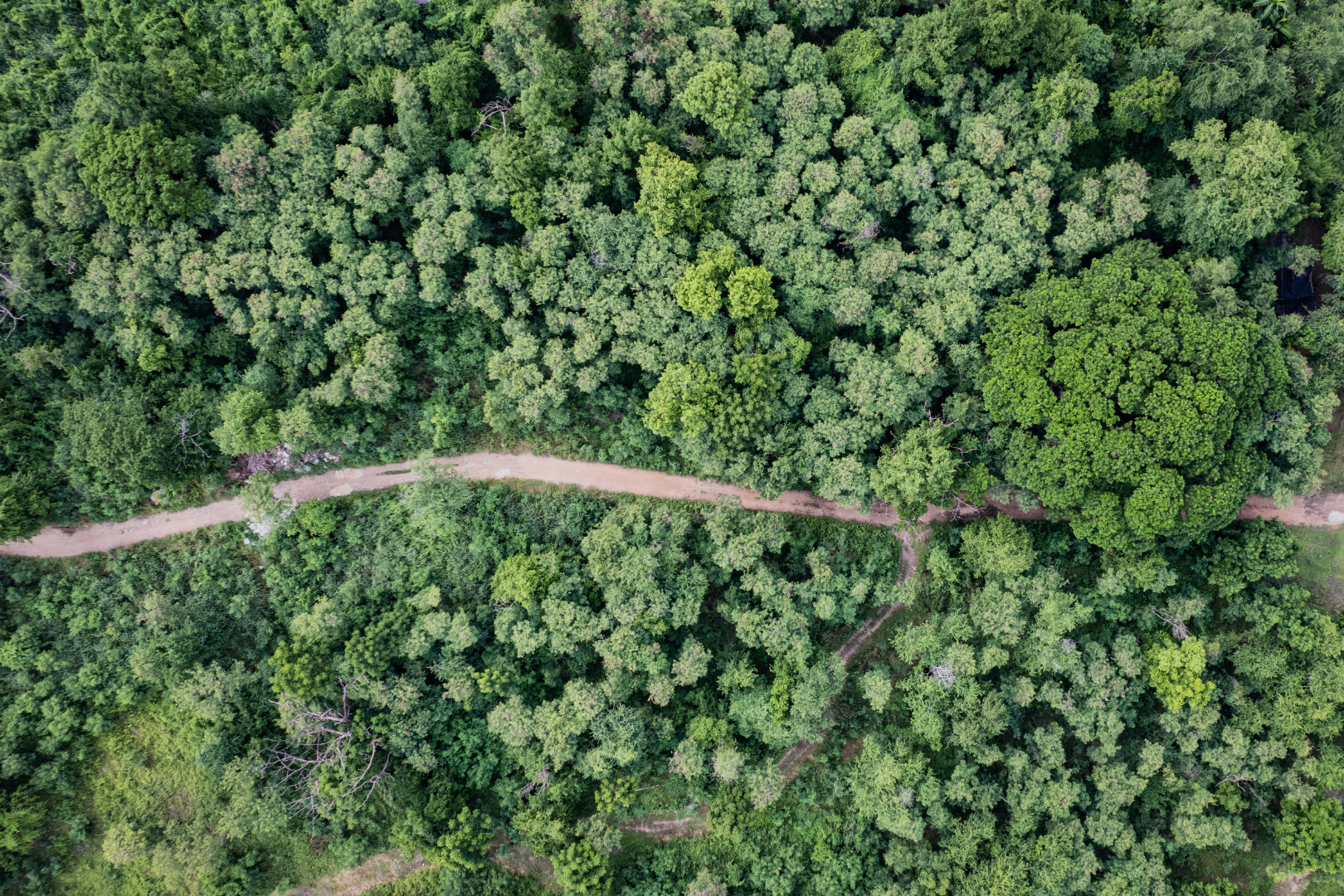
NBS due diligence across 920,000 hectares in Argentina and Italy
The outcome
8.7 million carbon credits and $131M of revenue potential identified, with a clear recommendation on which assets to keep, which to sell and where to reinvest.
A portfolio with no framework to unlock its value
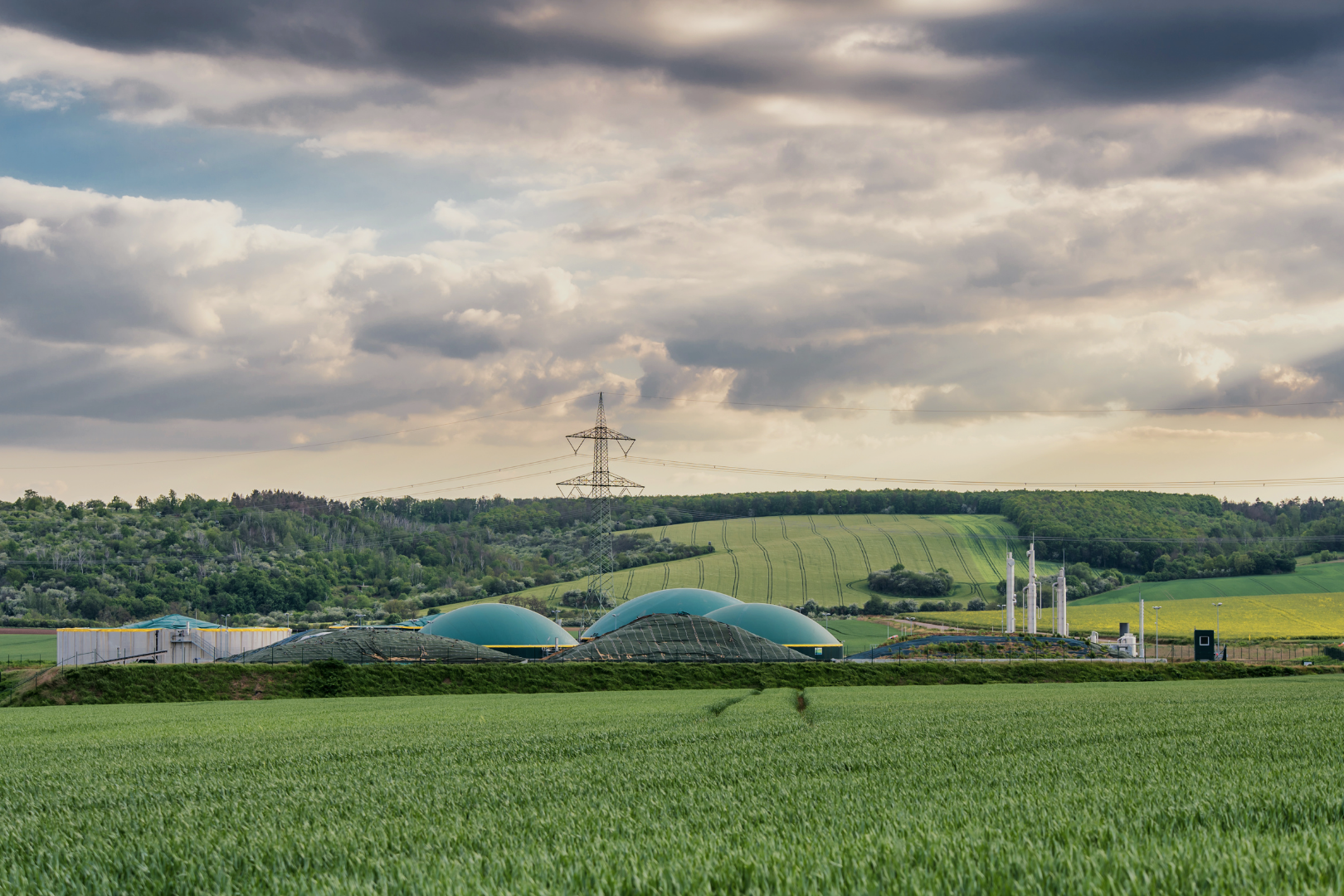
The client held farming and ranching land across Argentina and Italy with no integrated way to evaluate carbon potential, climate risk or investment in nature-based solutions.
The question was never whether these farms could generate carbon credits. It was which interventions make sense, at what cost, and how climate change affects their viability.
- 5 properties, 2 countriesThree climate zones and four production systems, each needing its own methodology.
- 6 methodologiesVCS and Gold Standard options across 13 action plans, two of them not yet commercially viable.
- Projections to 2050Climate risk had to sit inside every action plan, not beside it.
What made the difference
Not a carbon assessment. A portfolio strategy, built on primary data and delivered with a point of view.
Holistic integration
Carbon, operational, geospatial and climate analysis across 5 properties and 13 plans at once, not one intervention at a time.Carbon market realism
Financial viability tested, not just technical eligibility. Several plans looked strong on volume and failed the cost-benefit test.Strategic honesty
We said which assets to keep, which to sell and where to reinvest, beyond the original brief.Primary data
Every model built with the local farm teams through site visits and review rounds, not from generic benchmarks.
Most landowners have no idea how much carbon value is sitting in their land.
- SBTi FLAG brings agriculture and forestry into science-based targets.
- The EU Taxonomy and SFDR ask for quantified environmental performance.
- TCFD and TNFD require physical climate risk assessment of land assets.
- Carbon potential is increasingly priced into agricultural land deals.